

About Southeast Pollinator Alliance
History & Objectives
Safeguarding Regional Food Systems & Biosecurity
First confirmed in Thunderbolt, Georgia in 2023, the invasive Yellow-Legged Hornet poses an escalating threat to managed honeybee colonies, wild pollinators, and local agriculture. Because international shipping hubs serve as primary entry pathways, concentrations of hornet nests have steadily increased near the Port of Savannah.
The Southeast Pollinator Alliance—a consortium of local certified beekeepers—have joined forces local partners to establish an early-detection sentinel apiary network.
Our Core Objectives:
-
Contain & Eradicate: Establish 10–15 sentinel stations within a 10-mile radius of the Port of Savannah to locate and destroy hornet nests.
-
Protect Pollinators: Mitigate predation pressure on managed honeybees and build long-term ecosystem resilience.
-
Innovate with AI: Partner with researchers at the University of Exter in the United Kingdom to create and deploy automated early-warning yellow legged hornet tracking technology called VespAi.
-
Build Sustainability: Offset operational costs through local honey sales under the Pollinator Protection Initiative label.

Strategy & Technology
Establish Sentinel Hives
Establish sentinel beehives in strategic locations throughout the Southeast region of the US
Develop VespAi
Design and develop VespAi technology that can be used throughout the region to identify yellow legged hornets in real-time
Expand Community Awareness
Provide opportunities for local community to learn about honeybees through hands-on training in the apiary.
Community Outreach
Provide educational information with visits and presentations for local schools and community groups.
Meet the Team
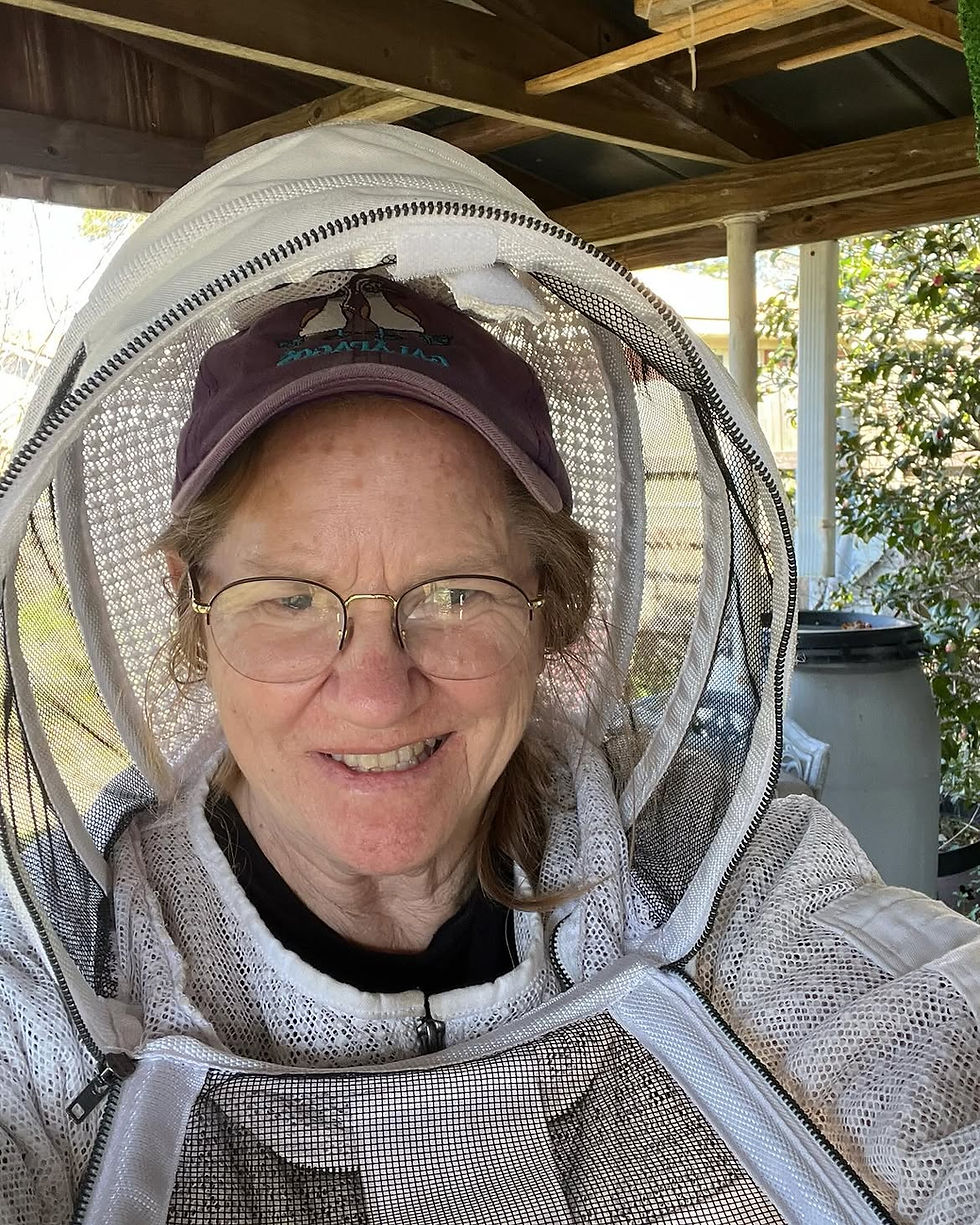

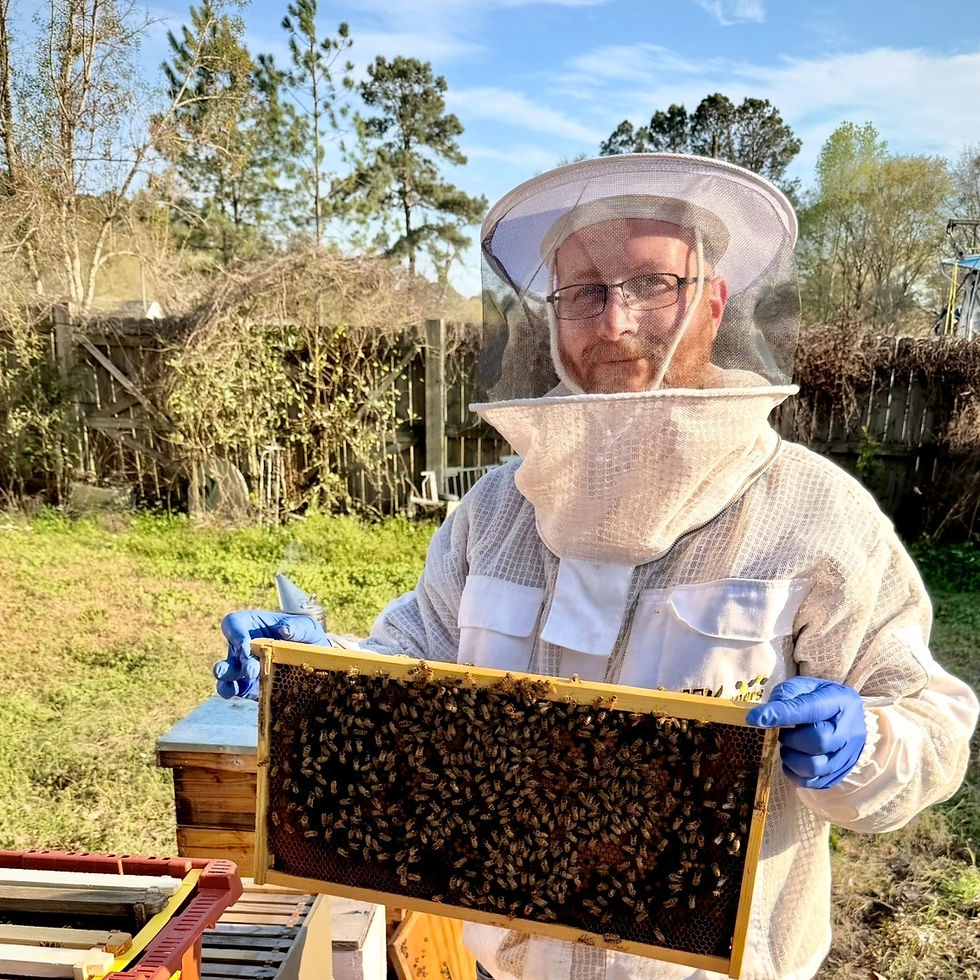


Joline Keevy
Co-founder
JP Cooper
Co-founder
Matt Gray
Beekeeper
Jinorri Wilson
Beekeeper
Barbara Sturch
Administrative Manager